Welcome to myAZmed

This is a non-promotional website developed and funded by AstraZeneca and it is intended for UK patients, or their carers, who have been prescribed an AstraZeneca medicine. This website is not intended to replace the discussions between you and your healthcare professional and it is not a substitute for the Patient Information Leaflet which is provided with your medicine.


Please select the option below which applies to you.

LEARN ABOUT AN ASTRAZENECA MEDICINE YOU HAVE BEEN PRESCRIBED

If you are a UK patient, or their carer, prescribed an AstraZeneca medicine, please enter myAZmed using the button below.

DISCOVER DISEASE EDUCATION AND SUPPORT FROM ASTRAZENECA

Discover disease education and resources for some of the conditions relevant to AstraZeneca’s work, using the button below.

If you are a UK healthcare professional looking for further information, you can visit our AZ UK Medical Information website.


If none of the above options apply, this website is not appropriate for you. To learn more about AstraZeneca as a company you 
can visit astrazeneca.co.uk.

I am a member of the UK public looking for disease education

This website is intended for UK patients, or their carers, who have been prescribed an AstraZeneca medicine. If this is not you, please go to https://www.astrazeneca.co.uk/

logo
  • About myAZmed

You are now leaving myAZmed
This link will take you to a website that is not owned by AstraZeneca. AstraZeneca provides this link as a service to our site visitors. AstraZeneca is not responsible for the content or privacy/legal policies of any third party websites.

Please confirm that you are happy to continue, or close the window to remain on myAzmed.co.uk
CONTINUE
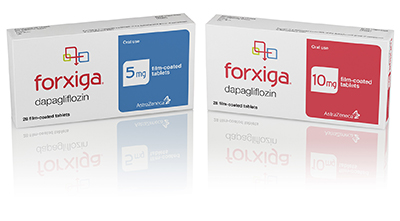
Pack of Forxiga capsules

Forxiga®


(dapagliflozin)

  • Adult (18 years +)
  • Type 2 diabetes
Change
  1. Why this AZ med?
  2. Need to know
  3. How to use
  4. Need answers?
  5. Info to download
  6. Learn more

In this section:

Why this AZ med

How your AZ med helps

How your AZ med works

Why this AZ med has been prescribed for you

What is Forxiga?

  • English

  • Bengali 

  • Gujarati 

  • Nepalese 

  • Polish 

  • Punjabi 

  • Somali 

  • Urdu 

  • Welsh 

  • Romanian

How your AZ med helps

Type 2 diabetes is a condition where the level of glucose (sugar) in your blood is often too high. High blood glucose can lead to long-term health problems with your kidneys, sight, nerves and blood circulation in your arms and legs.


Glucose is your body’s main source of energy. It comes mainly from carbohydrates in your food and drink. Carbohydrates are broken down by your digestive system into glucose, which enters the bloodstream. With the help of a hormone called insulin, glucose can be used by your body for energy.


If you have 2 diabetes, your body does not make enough insulin or is not able to use the insulin it makes properly. This leads to a high level of glucose (sugar) in your blood.


It’s likely you’ve been prescribed Forxiga because diet and exercise alone could not control your diabetes. Along with a healthy lifestyle, Forxiga can be used (on its own or together with other medicines) to help control your blood glucose levels.

How your AZ med works

Forxiga works by removing excess glucose (sugar) from your body.


Forxiga is a tablet medication that reduces blood glucose levels by helping the kidneys remove excess glucose from the blood via the urine.


Forxiga contains an active ingredient called dapagliflozin. This belongs to a group of medicines called sodium glucose co-transporter-2 (SGLT2) inhibitors.


SGLT2 inhibitors work by blocking the SGLT2 protein in your kidney. By blocking this protein, the amount of glucose (sugar) and sodium (salt) your kidneys reabsorb back into the blood is reduced. Excess sugar, salt and water are then removed from your body via the urine, helping to reduce your blood glucose levels.


It is important to be aware that because of how this medicine works, your urine will test positive for glucose when you are taking Forxiga.


The aim of treatment is to keep your blood glucose levels as normal as possible (normal HbA1c target is below 48 mmol/mol or 6.5%).


You may not feel different while taking this medicine, but to help keep your type 2 diabetes under control, continue taking Forxiga exactly as prescribed by your doctor.


Eating well and exercising as part of a healthy lifestyle is also important in managing your type 2 diabetes. Continue to follow the advice on diet and exercise given to you by your diabetes healthcare team.

Approval ID: GB-57318 Date of preparation: July 2024

In this section:

What you need to know before taking your AZ med

What your doctor needs to know

Possible side effects

Rare but serious side effects

Common side effects

Uncommon side effects

What you need to know before taking your AZ med

Read the Forxiga Patient Information Leaflet before you start this treatment. It contains important information for you.


Before you start taking Forxiga:
(Select the link to learn more about each of the following)

Tell your doctor about any other medical conditions you have, including allergies or intolerances, and any other medicines you take. 

Know how to recognise symptoms of rare but serious side effects including diabetic ketoacidosis, Fournier’s gangrene and angioedema. These require urgent medical attention. 

Familiarise yourself with symptoms of other possible side effects, including urinary tract infections and low blood glucose (hypoglycaemia), and understand when to seek medical advice.

Talk to your doctor if you are pregnant or breastfeeding, or intend to become pregnant or breastfeed.

Know what it feels like if your blood glucose is low. Do not drive or use any tools or machines if you feel dizzy or have other signs of low blood glucose.

Be aware that because of how this medicine works, your urine will test positive for glucose when you are taking Forxiga. 

Remember: this medicine has been prescribed for you only. Do not pass it on to others. It may harm them, even if their signs of illness are the same as yours.

If you have any further questions on the use of this medicine, talk to your doctor, pharmacist or nurse.

What your doctor needs to know

Tell your doctor if you have, or have had, any other medical conditions before you start Forxiga. Especially check if any of the following applies to you.


Talk to your doctor, pharmacist or nurse if you have:


  • An allergy to dapagliflozin or any of the other ingredients of this medicine (find the ingredients list in the information leaflet in your Foxiga box and in the ‘Need answers?’ section of this site). Do not take Forxiga if you are allergic to any of the ingredients
  • An intolerance to lactose or any other sugar. Forxiga contains lactose (milk sugar)
  • Type 1 diabetes. The type that usually starts when you are young and your body does not produce any insulin
  • Diabetes and a kidney problem. Your doctor may ask you to take additional or a different medicine to control your blood sugar
  • A liver problem. Your doctor may start you on a lower dose
  • Medicines to lower your blood pressure (anti-hypertensives) and a history of low blood pressure (hypotension). See also other medicines and Forxiga
  • Very high levels of glucose in your blood. This may make you dehydrated (lose too much body fluid) – see signs of dehydration
  • Nausea or if you develop nausea (feeling sick), vomiting, fever or are unable to eat or drink. These conditions can cause dehydration. Your doctor may ask you to stop taking Forxiga until you recover, to prevent dehydration
  • Frequent urinary tract infections (UTIs). See signs of UTI


If any of the above applies to you (or you are not sure), talk to your doctor, pharmacist or nurse before taking Forxiga.


Other medicines and Forxiga


Tell your doctor if you are taking, have recently taken or might take any other medicines before you start Forxiga.


Especially tell your doctor if you are taking:


  • Medicines to remove water from the body (diuretics)
  • Other medicines that lower the amount of glucose in your blood such as insulin or a sulphonylurea medicine. Your doctor may want to lower the dose of these other medicines, to prevent you from getting low blood glucose levels (hypoglycaemia) –see signs of hypoglycaemia below


Pregnancy and breastfeeding


  • If you are pregnant or breastfeeding, think you may be pregnant or are planning to have a baby, ask your doctor or pharmacist for advice before taking this medicine. You should stop taking this medicine if you become pregnant, since it is not recommended during the second and third trimesters of pregnancy. Talk to your doctor about the best way to control your blood sugar while you are pregnant.
  • Talk to your doctor if you would like to breastfeed or are breastfeeding before taking this medicine. Do not use Forxiga if you are breastfeeding. It is not known if this medicine passes into human breast milk


Diabetes and foot care


If you have diabetes, it is important to check your feet regularly and follow any other advice regarding foot care given by your health care professional. Find out why this is important in the ‘Need answers?’ section of this site

Possible side effects

Like all medicines, this medicine can cause side effects, although not everyone experiences them.


Listed below are possible side effects, including rare but serious side effects, you need to be aware of when taking Forxiga. You will find a full list of potential side effects in the Patient Information Leaflet. If you have any questions or you are not sure, speak to your doctor, nurse or pharmacist.

Rare but serious side effects

The following side effects don’t occur commonly but are serious when they do. It is very important to familiarise yourself with the symptoms below and know when to seek immediate medical help.


Contact a doctor or the nearest hospital straight away if you have any of the following side effects.


Diabetic ketoacidosis (DKA)


If you have diabetes, you are at increased risk of developing diabetic ketoacidosis, also known as DKA, when you are unwell. DKA is a serious but rare condition in people with type 2 diabetes, affecting up to 1 in 1,000 people.


DKA occurs when your body doesn’t have enough insulin to allow blood glucose into your cells to use for energy, so it starts to use fat instead. When fat is used for energy, chemicals called ketones are released. Ketones can make your blood become acidic – hence the name acidosis.


Signs of DKA:


  • Increased levels of ketones in your urine or blood
  • Feeling and/or being sick
  • Stomach pain
  • Excessive thirst
  • Fast and deep breathing
  • Confusion
  • Unusual sleepiness or drowsiness
  • A sweet smell to your breath, a sweet or metallic taste in your mouth or a different odour to your urine or sweat
  • Rapid weight loss


The risk of developing DKA may be increased with prolonged fasting, excessive alcohol consumption, dehydration, sudden reductions in insulin dose, or a higher need of insulin due to major surgery or serious illness.


When you are treated with Forxiga, DKA can occur even if your blood glucose is normal.


If you suspect you have DKA, contact a doctor or the nearest hospital straight away. Your doctor may decide to temporarily or permanently stop your treatment with Forxiga.


Visit the ‘Need answers?’ section of this site for more info about diabetes and sick day rules.


Fournier’s gangrene


Fournier’s gangrene is a very rare but serious soft tissue infection of the genitals and surrounding areas. It needs to be treated immediately.


Contact a doctor or the nearest hospital straight away if you develop pain, tenderness, redness and/or swelling around the genitals or the area between the genitals and the anus, along with fever or feeling generally unwell.


Angioedema


Angioedema is seen very rarely (may affect up to 1 in 10,000 people). Signs of angioedema include:


  • Swelling of the face, tongue or throat
  • Difficulties swallowing
  • Hives and breathing problems


Contact a doctor or the nearest hospital straight away if you have any of the symptoms above.

Common side effects

Make sure you understand how to recognise the signs of each of the following conditions and know when to see your doctor for treatment and advice. 


Urinary tract infection


Around 1 in 10 people taking Forxiga will get a urinary tract infection (UTI). This is because excess glucose in your urine can give bacteria an ideal environment to grow. Talk to your doctor if you develop a UTI; they will help you treat the infection.


If you experience any of the following signs of severe UTI, stop taking Forxiga and see a doctor as soon as possible:


  • Fever and/or chills
  • Burning sensation when urinating
  • Pain in your back or side
  • Blood in your urine


Low blood glucose levels (hypoglycaemia)


This is seen very commonly in people with diabetes taking Forxiga with sulphonylurea or insulin.


Signs of low blood glucose:


  • Shaking, sweating, feeling very anxious, fast heartbeat
  • Feeling hungry, headache, change in vision
  • A change in your mood or feeling confused


Contact your doctor as soon as possible if you have low blood glucose levels. Your doctor will tell you how to treat this and what to do if you get any of the signs above.


Remember: because of how this medicine works, your urine will test positive for glucose when you are taking Forxiga.


Thrush


Thrush is a fungal infection of your vagina or penis that affects around 1 in 10 females and 1 in 20 males taking Forxiga.


Signs of thrush may include irritation, itching, unusual discharge or odour.


If thrush does occur it tends to be early in treatment (within the first 3 months). Thrush can be managed effectively with an anti-fungal cream, so speak to your doctor, pharmacist or nurse if you experience any symptoms such as itching or discomfort of the genital area.


Other common side effects


  • Back pain
  • Urinating more often or larger volume
  • Changes in the amount of cholesterol or fats in your blood (shown in tests)
  • Increases in the number of red blood cells in your blood (shown in tests)
  • Decreases in creatinine renal clearance (shown in tests) in the beginning of treatment
  • Dizziness
  • Rash

Uncommon side effects (may affect up to 1 in 100 people)

Dehydration


Forxiga works by making you pass more glucose and salt along with water in your urine. This increases the risk of becoming dehydrated.


Signs of dehydration include very dry or sticky mouth, passing little or no urine and fast heartbeat.


Other uncommon side effects


  • Thirst
  • Constipation
  • Waking from sleep at night to urinate
  • Dry mouth
  • Weight loss
  • Increases in creatinine (shown in laboratory blood tests) at the beginning of treatment
  • Increases in urea (shown in laboratory blood tests)

Approval ID: GB-57318 Date of preparation: July 2024

In this section:

How to use your AZ med

Explore your AZ med

How to take your AZ med

How to store your AZ med

How to use your AZ med

Forxiga is only available on prescription. Always take this medicine exactly as your doctor has told you.


Follow all directions on your prescription label and read the Patient Information Leaflet (PIL) If there is anything you are not sure about, check with your doctor, pharmacist or nurse.

Explore your AZ med

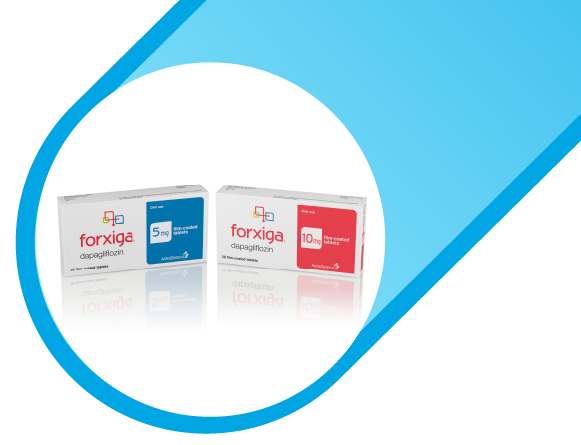
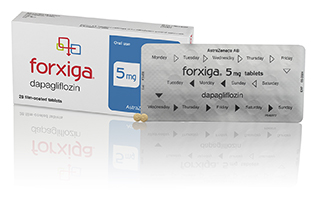
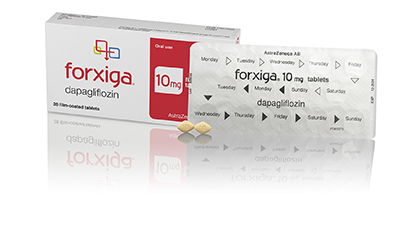
Forxiga tablets come in two strengths: 5 mg and 10 mg.


Your doctor will prescribe the strength that is right for you. The recommended dose is one 10 mg tablet each day. Your doctor may start you on a 5 mg dose if you have a liver problem.

Forxiga 5 mg film-coated tablets

Forxiga 5 mg film-coated tablets are yellow and round with a diameter of 0.7 cm. They have “5” on one side and “1427” on the other side. 

Forxiga 10 mg film-coated tablets

Forxiga 10 mg film-coated tablets are yellow and diamond-shaped approximately 1.1 x 0.8 cm diagonally. They have “10” on one side and “1428” on the other side. 

How to take your AZ med

Take one tablet each day.

Swallow the tablet whole with half a glass of water. It can be taken with or without food.

Taking your tablet at the same time each day will help you remember when to take it.

Your doctor may prescribe Forxiga together with other medicines. Remember to take any other medicine as your doctor has told you.


Stay on any diet and exercise program recommended by your doctor while taking Forxiga. Diet and exercise can help your body use its blood glucose better.


This medicine has been prescribed for you only. Do not pass it on to others. It may harm them, even if their signs of illness are the same as yours.


What if I take too much or miss a dose?


If you take more Forxiga tablets than you should, talk to a doctor or go to a hospital immediately. Take the medicine pack with you.


If you forget to take a tablet, what you need to do depends on how long it is until your next dose:

  • If it is 12 hours or more until your next dose, take a dose of Forxiga as soon as you remember. Then take your next dose at the usual time
  • If it is less than 12 hours until your next dose, skip the missed dose. Then take your next dose at the usual time
  • Do not take a double dose of Forxiga to make up for a forgotten dose


Do not stop taking Forxiga without talking to your doctor first. If you have diabetes, your blood glucose may increase without this medicine.


If you have any questions about the use of this medicine or managing your diabetes, talk to your doctor, pharmacist or nurse.

How to store your AZ med

This medicine does not require any special storage conditions, but make sure it is kept out of the sight and reach of children.


Do not use this medicine after the expiry date. You can find this on the blister or carton after ‘EXP’. The expiry date refers to the last day of that month.


Do not throw away any medicines via wastewater or household waste. Ask your pharmacist how to throw away medicines you no longer use. These measures will help to protect the environment.

Approval ID: GB-57318 Date of preparation: July 2024

Need answers?

Yes, because of how Forxiga works, your urine will test positive for glucose while you are on this medicine. Learn more about how Forxiga works. 

If you are pregnant or breastfeeding, think you may be pregnant or are planning to have a baby, ask your doctor, nurse or pharmacist for advice before taking this medicine.


You should stop taking this medicine if you become pregnant because it is not recommended during the second and third trimesters of pregnancy. Talk to your doctor about the best way to control your blood glucose while you are pregnant.


Talk to your doctor if you would like to or are breastfeeding before taking this medicine. Do not use Forxiga if you are breastfeeding. It is not known if this medicine will pass into human breast milk. 

Forxiga has little or no effect on the ability to drive or use machinery.
 
Be aware that taking Forxiga in combination with other medicines called sulphonylureas or with insulin can cause low blood glucose levels (hypoglycaemia). Signs of low blood glucose include shaking, sweating and changes in vision, which may affect your ability to drive and use machines.
 
Do not drive or use any tools or machines if you feel dizzy or have other signs of low blood glucose.

The active ingredient in Forxiga is dapagliflozin.


The other ingredients are:


Tablet core: microcrystalline cellulose (E460i), lactose (a type of milk sugar), crospovidone (E1202), silicon dioxide (E551), magnesium stearate (E470b).


Film-coating: polyvinyl alcohol (E1203), titanium dioxide (E171), macrogol 3350 (E1521), talc (E553b), yellow iron oxide (E172).

Yes, Forxiga contains lactose (milk sugar). If you have been told by your doctor that you have an intolerance to some sugars, contact your doctor before taking this medicine.

Managing your lifestyle and medication puts you in control of your type 2 diabetes.
 
​​Poorly managed type 2 diabetes affects your kidneys, eyes, heart and blood vessels, nerves and feet.

As well as taking the medication that your doctor has prescribed, it is important to eat healthily and be active.


Eating a well-balanced diet and keeping active can help to:

  • Control your blood glucose levels
  • Improve your cholesterol
  • Maintain or reduce your weight


Learn more about staying healthy if you have type 2 diabetes.

For those with type 2 diabetes, it’s important to know how to cope when you’re unwell (also known as sick day rules).


While you are unwell it is likely that your blood glucose will increase even if you are eating less than usual. High blood glucose and dehydration can lead to serious conditions, such as diabetic ketoacidosis (DKA)


To help manage your diabetes when you are unwell make sure you:

  • Monitor your blood glucose levels regularly
  • Rest
  • Drink plenty of fluids


If you are too unwell to eat and drink, seek medical attention and let your healthcare professional know that you are on Forxiga. Your doctor may ask you to stop taking Forxiga until you recover to prevent dehydration.


Talk to your diabetes team for more advice about how to manage your diabetes when you are feeling unwell.

If you have diabetes, you’re at a much greater risk of developing foot problems. This is because raised blood glucose (sugar) can affect the blood supply in your feet. This may lead to problems with cuts and sores not healing. Left untreated, this could lead to foot ulcers, infections and, at worst, amputations.


Regular foot care helps prevent most foot problems.


Learn more about looking after your feet.

Approval ID: GB-57318 Date of preparation: July 2024

Info to download

Patient Information Leaflet

Important information to read before using Forxiga

PDF

1

Approval ID: GB-70130 Date of preparation: September 2025

Learn more about type 2 diabetes

What is type 2 diabetes?

Learn more about what is type 2 diabetes and some of the symptoms it can cause.

NHS UK

Download

Diabetes: the basics?

Diabetes is a complicated condition. Find out more about what diabetes is, what causes it and managing your diabetes

Diabetes UK

Download

Approval ID: GB-67138 Date of preparation: June 2025

Forxiga®

(dapagliflozin)

  • Adult (18 years +)
  • Type 2 diabetes
Change selections

Reporting side effects


If you get any side effects, talk to your doctor, nurse or pharmacist. This includes any possible side effects not listed in the Patient Information Leaflet. You can also report side effects directly via the Yellow Card Scheme, website: www.mhra.gov.uk/yellowcard. By reporting side effects you can help provide more information on the safety of medicines.

Please Rate Your Site Experience

Thank you for the feedback

GB-69500 | August 2025

FOOTER LOGO
  • Cookie policy
  • Terms of use
  • Privacy policy
  • Contact us

© Copyright 2022. AstraZeneca Ltd

Approval ID: GB-53223 Date of preparation: May 2024