

Welcome to myAZmed

This is a non-promotional website developed and funded by AstraZeneca and it is intended for UK patients, or their carers, who have been prescribed an AstraZeneca medicine. This website is not intended to replace the discussions between you and your healthcare professional and it is not a substitute for the Patient Information Leaflet which is provided with your medicine.


Please select the option below which applies to you.

LEARN ABOUT AN ASTRAZENECA MEDICINE YOU HAVE BEEN PRESCRIBED

If you are a UK patient, or their carer, prescribed an AstraZeneca medicine, please enter myAZmed using the button below.

DISCOVER DISEASE EDUCATION AND SUPPORT FROM ASTRAZENECA

Discover disease education and resources for some of the conditions relevant to AstraZeneca’s work, using the button below.

If you are a UK healthcare professional looking for further information, you can visit our AZ UK Medical Information website.


If none of the above options apply, this website is not appropriate for you. To learn more about AstraZeneca as a company you 
can visit astrazeneca.co.uk.

I am a member of the UK public looking for disease education

Intended for UK patients, or their carers, who have been prescribed an AstraZeneca medicine.

logo logo
  • Home
  • AstraZeneca Medicines
  • Disease education

Symbicort® Turbohaler®

(budesonide/formoterol fumarate dihydrate)

Symbicort Turbohaler is an AstraZeneca medicine prescribed to help manage the symptoms of asthma or COPD. 

This website is not a substitute for the Patient Information Leaflet (PIL) provided with your medicine - please read before starting treatment.

Please click your condition below for more information.

For asthma
For COPD

Why this AZ medicine How to use Know your dose Need answers? Resources for you

Why this AZ medicine has been prescribed to you

Symbicort Turbohaler is an AstraZeneca medicine that is prescribed to help manage your asthma symptoms.

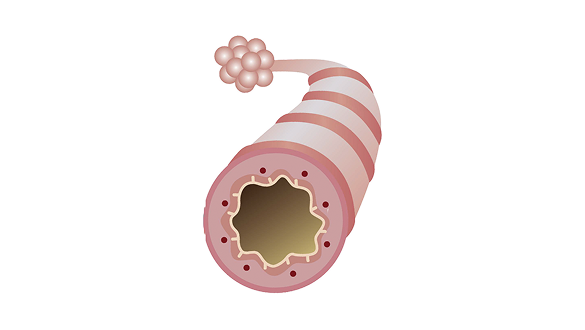
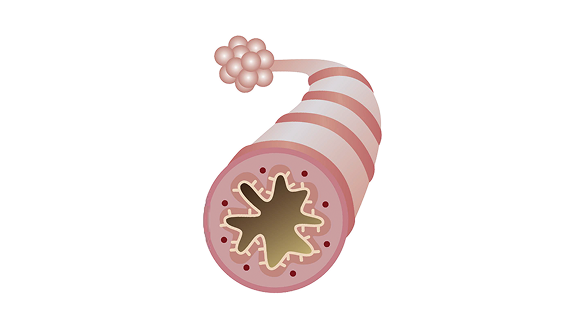
Asthma is a long-term condition A health condition is a disease, disorder, illness or injury that affects the body that can make breathing difficult. If you have asthma, the lining of your airways becomes swollen and inflamed.

In asthma, the muscles around your airways tighten, making it difficult to breathe. You may experience symptoms including wheezingA sound like a whistle when you breathe, breathlessnessBreathlessness means suddenly getting out of breath. It happens when your body needs to get more oxygen., coughing and a tight chest.

Symbicort reduces and prevents swelling and inflammation in your lungs. It also relaxes the airway muscles. This helps open your airways so you can breathe more easily.
Symbicort contains two different active ingredientsThe part of a medicine responsible for its activity budesonide and formoterol.

Budesonide is a corticosteroid.Corticosteroids are medicines that lower inflammation in the body It reduces and prevents swelling and inflammation in your lungs and helps prevent asthma symptoms from happening.

Formoterol is a bronchodilator.Bronchodilators are medicines that open the airways of the lungs. It relaxes muscles in your airways, helping you to breathe more easily.

When you use Symbicort as your doctor has advised, you may notice that you have fewer asthma symptoms. These include wheezingA sound like a whistle when you breathe, a tight chest and shortness of breath. Because your symptoms have improved, you may feel like you no longer need to keep taking your Symbicort. However, if you stop taking your Symbicort, the medicine will no longer be working to reduce and prevent the swelling and inflammation in your lungs.

normal-lung-airway-image

Normal airway

asthmatic-lung-airway-image

Asthmatic airway

Always use this medicine exactly as your doctor has told you. Follow their instructions carefully so you know how many inhalations to take and how often.

This medicine has been prescribed for you only. Do not pass it on to others. It may harm them, even if their signs of illness are the same as yours.

Do not use Symbicort Turbohaler if you are allergic to budesonide, formoterol or lactose (which contains small amounts of milk protein).

Possible side effects

Like all medicines, this medicine can cause side effectsUnwanted effects that can happen when a person takes a medicine, although not everybody gets them. If you do get any side effects, talk to your doctor, pharmacist or nurse. This includes any possible side effects not listed in the Patient Information Leaflet that comes in the box with your inhaler.

If either of the following happen to you, stop using Symbicort Turbohaler and talk to your doctor straight away:

Swelling of your face, especially around your mouth (tongue and/or throat and/or difficulty swallowing) or hives together with difficulty breathing and/or sudden feeling of faintness. This may mean that you are having an allergic reaction. This happens rarely and affects less than 1 in 1,000 people.

Sudden acute wheezingA sound like a whistle when you breathe or shortness of breath straight after using your inhaler. If either of these symptoms occur, stop using your Symbicort Turbohaler straightaway and use your ‘reliever’ inhaler. Contact your doctor immediately as you may need to have your treatment changed. This happens very rarely and affects less than 1 in 10,000 people.

What to do in an emergency

You might be having an asthma emergency if: 
 

  • your symptoms (cough, breathlessnessBreathlessness means suddenly getting out of breath. It happens when your body needs to get more oxygen., wheezeA sound like a whistle when you breathe, tight chest) are getting worse quickly
  • taking puffs of your reliever inhaler (this may be your Symbicort Turbohaler or a separate reliever inhaler) is not making you feel better within a few minutes of taking it
  • you have extreme difficulty breathing or speaking

If you have a personal asthma action plan, you should follow its instructions.


If you do not have a personal asthma action plan, ask your doctor or asthma nurse what you should do in an emergency.

GB-75738 | August 2026

How to use your AZ medicine

Always use this medicine exactly as your doctor tells you. Read the Patient Information Leaflet (PIL) that comes in the box with your inhaler before you start using your inhaler. If you are not sure, ask your doctor, nurse or pharmacist.

Explore your AZ medicine

  1. Get your inhaler ready for first-time use
  2. How to take Symbicort


Before using your new Symbicort Turbohaler for the first time, you need to prepare it for use.


Here's what you need to do:

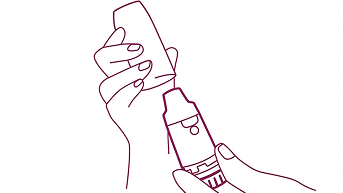
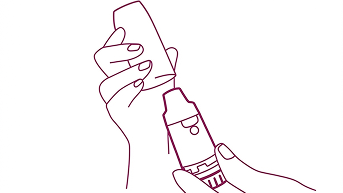
opening-inhaler-illustration opening-inhaler-illustration

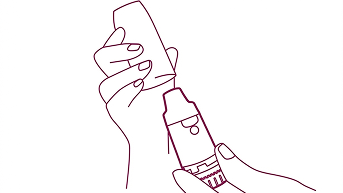
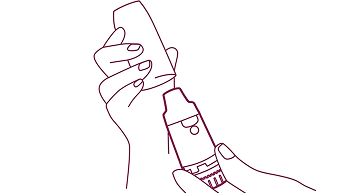
1. Open your inhaler by unscrewing the cover and lifting it off. You may hear a rattling sound.

2. Hold the inhaler upright with the red grip at the bottom. Do not hold the mouthpiece.

.
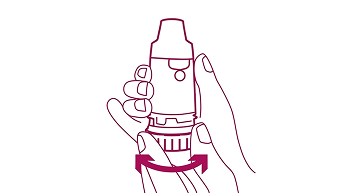
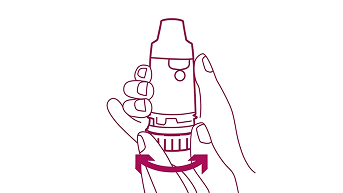
twisting-inhaler-image twisting-inhaler-image

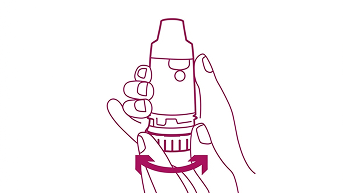
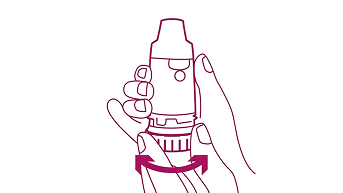
3. Turn the red grip as far as it will go in one direction. Then turn is as far at it will go in the other direction. It does not matter which way you turn it first. You should hear a click. 

4. Repeat step 3.

Your Turbohaler is now ready for use. See 'How to take'.


When it is time to use your Turbohaler, follow the steps below. If you are using a new Turbohaler for the first time, you need to prepare it before you use it. Click on 'Get your inhaler ready for first-time use' tab.


Here's what you need to do:

inhaling-symbicort-turbohaler-image inhaling-symbicort-turbohaler-image

1. Open your inhaler by unscrewing the cover and lifting it off. You may hear a rattling sound.

2. Hold the Turbohaler upright with the red grip at the bottom. Do not hold the mouthpiece.

.
symbicort-inhaler-doses-100/6-200/6-400/12 symbicort-inhaler-doses-100/6-200/6-400/12

3. Turn the red grip as far as it will go in one direction. Then turn it as far as it will go in the other direction. It does not matter which way you turn it first. You should hear a click. 

4. Hold your Turbohaler away from your mouth and breathe out gently as far as is comfortable. Do not breathe out through your Turbohaler.

.
symbicort-turbohaler-dosing-window symbicort-turbohaler-dosing-window

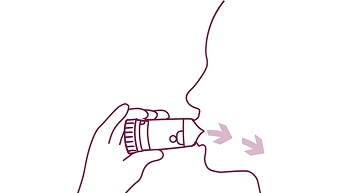
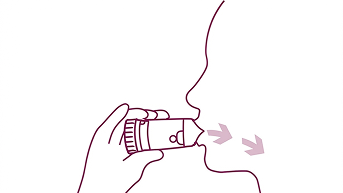
5. Place the mouthpiece gently between your teeth. Close your lips. Do not chew or bite on the mouthpiece. Breathe in as deeply and as hard as you can through your mouth. The amount of medicine you inhale is very small, so you may not be able to taste it.

6. Remove your Turbohaler from your mouth and breathe out gently. If you have followed these steps, the medicine is now in your lungs.

7. If you need to take a second inhalation, repeat steps 2 to 6. 

8. Replace cover firmly.

9. Rinse mouth with water: spit this water out - do not swallow.


GB-75739 | August 2026

Your Symbicort Turbohaler dose


Learn about the specific dose of Symbicort Turbohaler prescribed to you and how it acts to treat your asthma. 


Find out more

GB-75740 | August 2026


Need answers?

If you forget to take a dose, take it as soon as you remember. However, if it is nearly time for your next dose, skip the missed dose. Do not take a double dose to make up for a forgotten dose.

If you use more Symbicort than you should, contact your doctor, asthma nurse or pharmacist for advice. The most common symptoms that may occur if you use more Symbicort Turbohaler than you should are trembling, a headache or a rapid heartbeat.

No. If you load your Turbohaler more than once by mistake before taking your dose, you will still only receive one dose.

This depends on how Symbicort Turbohaler has been prescribed for you.


If you are on maintenance therapy i.e. you use Symbicort Turbohaler and a separate 'reliever' inhaler: Use Symbicort Turbohaler every day to help prevent asthma symptoms. If you do get asthma symptoms, use your separate reliever inhaler to make it easier to breathe.


If you are on Maintenance and Reliever Therapy (MART) i.e. Symbicort Turbohaler is your only asthma inhaler: Use Symbicort Turbohaler every day to help prevent asthma symptoms and use it to treat asthma symptoms when they occur.


If you are on Reliever Therapy ie. you have Symbicort Turbohaler as a 'reliever' inhaler only: Use Symbicort Turbohaler when you get asthma symptoms.


If you are not sure which inhaler to use, talk to your doctor or asthma nurse.

If you feel you are getting breathless To feel breathless means suddenly getting out of breathe. It happens when your body needs to get more oxygen. or wheezy A sound like a whistle when you breathe while using Symbicort, you should continue to use your Symbicort Turbohaler and go to see your doctor as soon as possible, as your treatment may need to be reviewed.


Contact your doctor immediately if:


  • Your breathing is getting worse or you often wake up at night with asthma symptoms 
  • Your chest starts to feel tight in the morning or your chest tightness lasts longer than usual


These signs could mean that your asthma is not being properly controlled and you may need different or additional treatment immediately.

You might be having an asthma emergency if: 


  • You feel very breathlessTo feel breathless means suddenly getting out of breathe. It happens when your body needs to get more oxygen., wheezyA sound like a whistle when you breathe or tight chested
  • You are too breathless to speak easily
  • Taking puffs of your reliever inhaler (this may be your Symbicort Turbohaler or a separate reliever inhaler) does not make you feel better within a few minutes


If you have a personal asthma action plan, you should follow its instructions.


If you don't have a personal asthma action plan, discuss with your doctor or asthma nurse what you should do in an emergency.

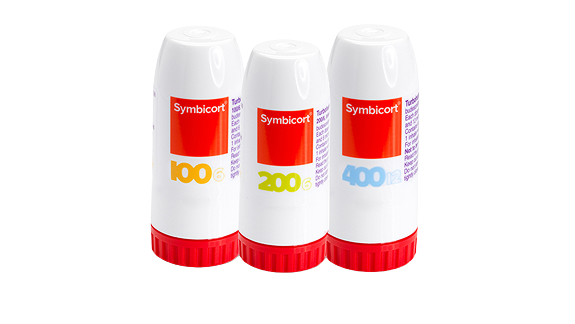
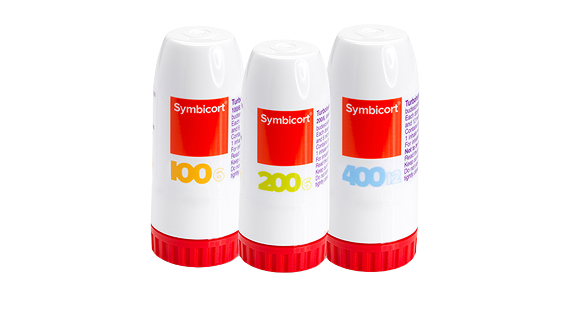
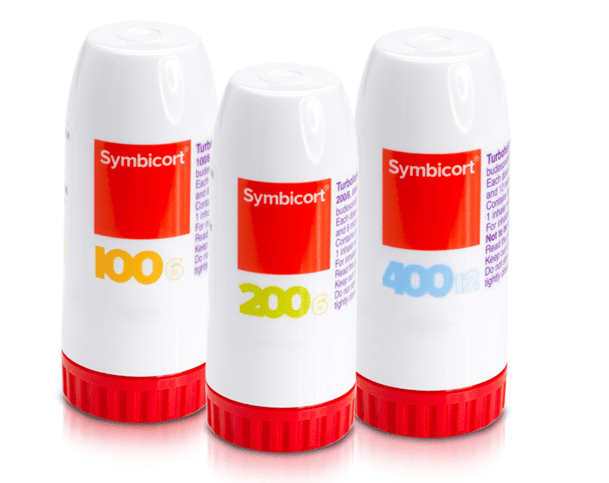
The dose indicator tells you how many doses are left in your Symbicort Turbohaler. A new unopened inhaler contains the following number of doses:


  • Symbicort Turbohaler 100/6: 120 doses 
  • Symbicort Turbohaler 200/6: 120 doses 
  • Symbicort Turbohaler 400/12: 60 doses 


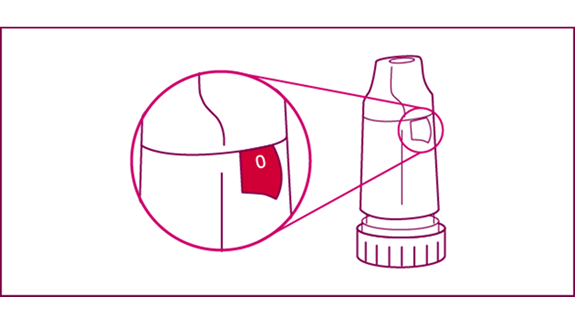
When you first see a red mark at the edge of the indicator window, there are around 20 doses left.


When you have 10 doses left, the background of the dose indicator is red.


When you see ‘0’ on the red background in the middle of the window, you need to start using a new Turbohaler. 

Do not use your inhaler after the expiry date. You will find this on the carton or on the label of your inhaler after EXP. The expiry date refers to the last day of that month.

The active ingredients The part of a medicine responsible for its activity are budesonide and formoterol fumarate dihydrate. Symbicort Turbohaler also has lactose monohydrate in it (which contains small amounts of milk proteins).

Side effectsUnwanted effects that can happen when a person takes a medicine  can occur with any medication. For a list of possible side effects with Symbicort Turbohaler, including signs of allergic reaction, please read the Patient Information Leaflet (PIL) that comes in the box with your inhaler.


The most common side effects experienced with Symbicort Turbohaler include:


  • Palpitations (awareness of heart beating)  
  • Trembling or shaking  
  • Oral thrush (a fungal infection)  
  • Mild sore throat  
  • Coughing and a hoarse voice  
  • Headache 


If you get any side effects, talk to your doctor, nurse or pharmacist. This includes any possible side effects not listed in the Patient Information Leaflet.

Your doctor, nurse or pharmacist can advise you about using Symbicort Turbohaler alongside any other prescribed medications. 


You should also seek advice before taking medicines bought over the counter or herbal remedies.

Wipe the outside of the mouthpiece once a week with a dry tissue. Do not use water or liquids.

This medicine does not require any special storage conditions. Like all medicines, remember to keep it out of the sight and reach of children.

If you stop using Symbicort, the signs and symptoms of asthma may worsen. Talk to your doctor, asthma nurse or pharmacist before you stop using Symbicort.

Maintenance and reliever therapy (MART) is a treatment plan where you use one inhaler as a preventer and a reliever.


If your doctor has asked you to use Symbicort with a MART approach, use the inhaler every day to help prevent asthma symptoms. If you do get symptoms, take an additional puff from the same inhaler to treat asthma symptoms when they occur. You can read more about how many additional puffs you can take here.

GB-75741 | August 2026

Helpful resources about your medicine and disease

KNOWYOURHealth

Visit the ‘’Know your Health’’ website for educational information and resources to support you in managing your condition.

Visit now


    Loading...

Symbicort MART (Turbohaler 100/6 or 200/6) How to use video (age 12+)

These videos are only for patients on Symbicort Maintenance and Reliever Therapy (MART). If this is not you, you can find alternative resources appropriate for you in the section above. If you are not sure what type of Symbicort therapy you are on, you can find out more here.

Select the relevant language you would like to watch this video in by clicking the buttons below:

English Hindi Urdu Gujarati Somali Bengali Polish Punjabi Nepalese

GB-75743 | DOP: August 2026

Reporting side effects

If you get any side effects, talk to your doctor, nurse or pharmacist. This includes any possible side effects not listed in the Patient Information Leaflet. You can also report side effects directly via the Yellow Card Scheme website: www.mhra.gov.uk/yellowcard. By reporting side effects, you can help provide more information on the safety of medicines.

logo logo
  • Cookie policy
  • Terms of use
  • Privacy policy
  • Contact us
  • Feedback survey

© Copyright 2026. AstraZeneca Ltd

Approval ID: GB-75737 Date of preparation: July 2026

Please Rate Your Site Experience

Thank you for the feedback

GB-69500 | August 2025

Please Rate Your Site Experience

Thank you for the feedback

GB-69500 | August 2025